
Summer Traffic and Heat Strains Your Car’s Cooling System
Summer in Maryland brings plenty of opportunities for road trips, family vacations, beach outings, and weekend adventures. Unfortunately, it also brings some of the toughest driving conditions your vehicle will face all year. High temperatures, humidity, stop-and-go traffic, and long periods of idling can place significant stress on your car's cooling system.
Your cooling system plays a critical role in preventing engine overheating and maintaining proper operating temperatures. When temperatures climb and traffic slows, even a minor cooling system issue can quickly become a major problem. Understanding how Maryland summers affect your vehicle can help you avoid unexpected breakdowns and costly repairs.
How a Vehicle's Cooling System Works
The engine in your vehicle generates a tremendous amount of heat during operation. Without an effective cooling system, engine temperatures would rise rapidly, potentially causing severe damage to critical components.
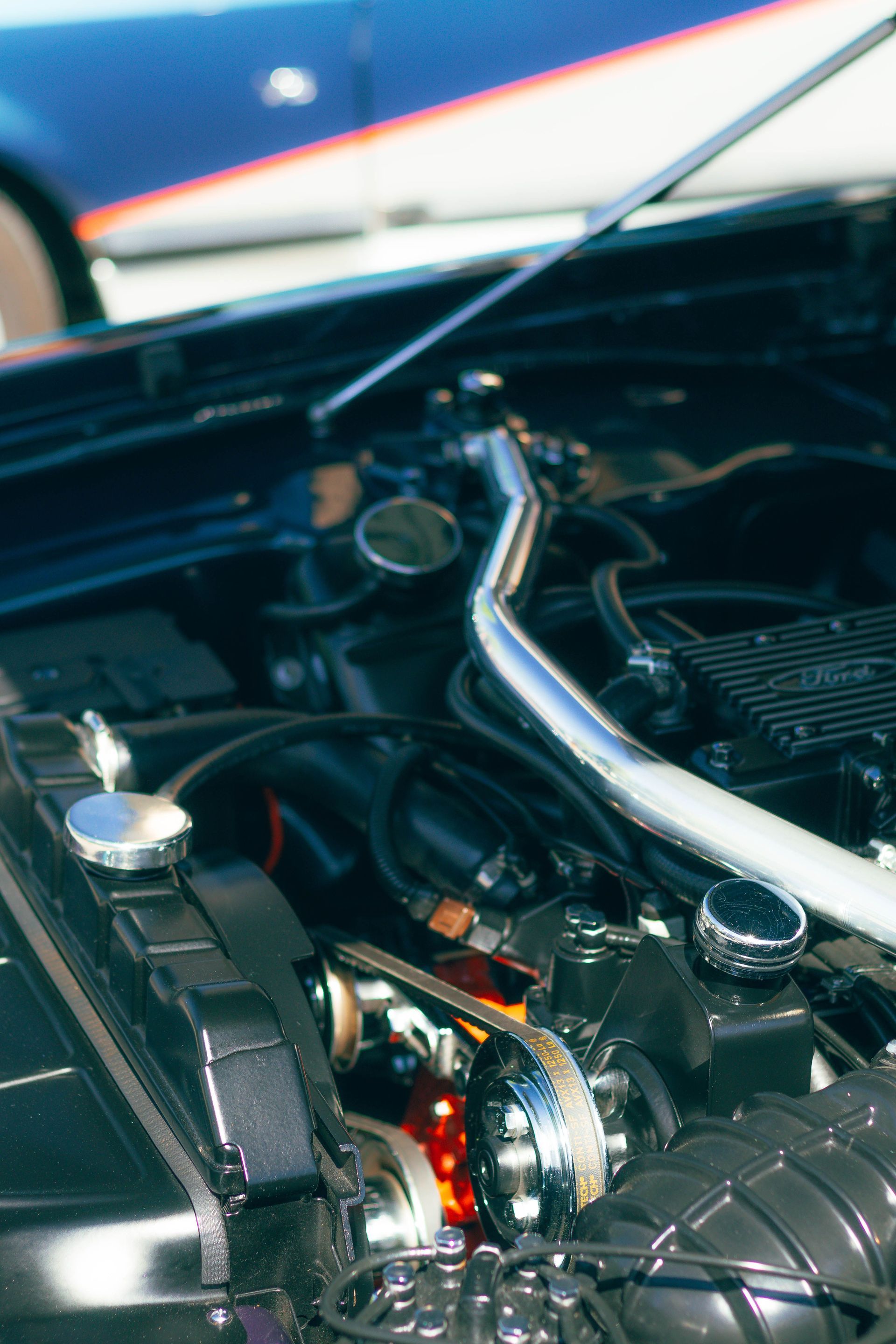
Your cooling system works by circulating coolant through the engine, where it absorbs excess heat. The heated coolant then travels to the radiator, where airflow helps dissipate that heat before the coolant circulates back through the engine.
Key cooling system components include:
- The radiator
- Coolant or antifreeze
- The water pump
- Cooling fans
- Thermostat
- Radiator hoses
- Expansion tank or reservoir
Maryland's Summer Heat Creates Additional Cooling Demands
During Maryland summers, daytime temperatures frequently climb into the upper 80s and 90s. When combined with humidity and heat radiating from pavement and surrounding vehicles, engine compartments can become extremely hot.
The hotter the outside air becomes, the harder the cooling system must work to remove heat from the engine. Radiators rely on airflow and temperature differences to transfer heat away from the coolant. As ambient temperatures rise, the cooling system's margin for error becomes smaller.
A cooling system that may perform adequately during mild spring weather could begin showing signs of weakness during a particularly hot summer day.
Stop-and-Go Traffic Is Especially Tough on Cooling Systems
Many Maryland drivers spend significant time in congested traffic during summer travel season. Whether you're commuting through busy corridors, heading toward the Chesapeake Bay, or navigating vacation traffic, prolonged stop-and-go driving can be challenging for your vehicle.
At highway speeds, airflow naturally passes through the radiator, helping remove heat efficiently. In heavy traffic, however, airflow is greatly reduced.
During these conditions, cooling fans must work harder to keep temperatures under control. If a cooling fan motor, relay, or sensor is failing, the issue often becomes noticeable during low-speed driving and extended idling.
This is one reason many overheating complaints occur while sitting in traffic rather than while cruising on the highway.
Air Conditioning Use Adds Additional Heat
When temperatures soar, drivers naturally rely on their air conditioning systems more frequently. While modern vehicles are designed to handle this additional workload, running the A/C does increase the demands placed on the engine and cooling system.
The air conditioning condenser is positioned near the radiator and releases heat as part of the cooling process. This means the radiator often has to work harder when the A/C is operating, particularly during hot weather and low-speed driving.
If your cooling system is already struggling due to age, low coolant levels, or worn components, using the air conditioner may make overheating issues more noticeable.
Common Cooling System Problems That Appear During Summer
Summer conditions often reveal problems that have been developing for months.
Coolant Leaks
Small leaks may go unnoticed during cooler seasons but can become more problematic during periods of extreme heat. Low coolant levels reduce the system's ability to carry heat away from the engine.
Failing Thermostats
A thermostat that sticks closed can restrict coolant flow, causing temperatures to rise quickly.
Weak Water Pumps
The water pump is responsible for circulating coolant throughout the engine and radiator. A failing pump can reduce cooling efficiency and increase overheating risks.
Worn Radiator Hoses
Heat accelerates the deterioration of rubber components. Aging hoses can crack, soften, or develop leaks that compromise cooling system performance.
Cooling Fan Issues
Electric cooling fans become especially important during traffic congestion and extended idling. Faulty fans can quickly lead to overheating during summer driving.
Clogged or Aging Radiators
Over time, radiators can become restricted by internal deposits or external debris. Reduced heat transfer efficiency can become particularly noticeable during hot weather.
Warning Signs Your Cooling System Needs Attention
Drivers should never ignore symptoms that suggest cooling system trouble. Common warning signs include:
- The temperature gauge reading higher than normal
- Steam coming from under the hood
- Coolant puddles underneath the vehicle
- A sweet smell coming from the engine compartment
- Low coolant levels that repeatedly need topping off
- Warning lights related to engine temperature
- The engine running hotter when sitting in traffic
The Cost of Ignoring Cooling System Problems
Overheating is more than just an inconvenience. Excessive engine temperatures can cause serious mechanical damage.
In severe cases, overheating can lead to:
- Blown head gaskets
- Warped cylinder heads
- Damaged engine components
- Premature wear of cooling system parts
- Unexpected roadside breakdowns
How Professional Cooling System Service Can Help
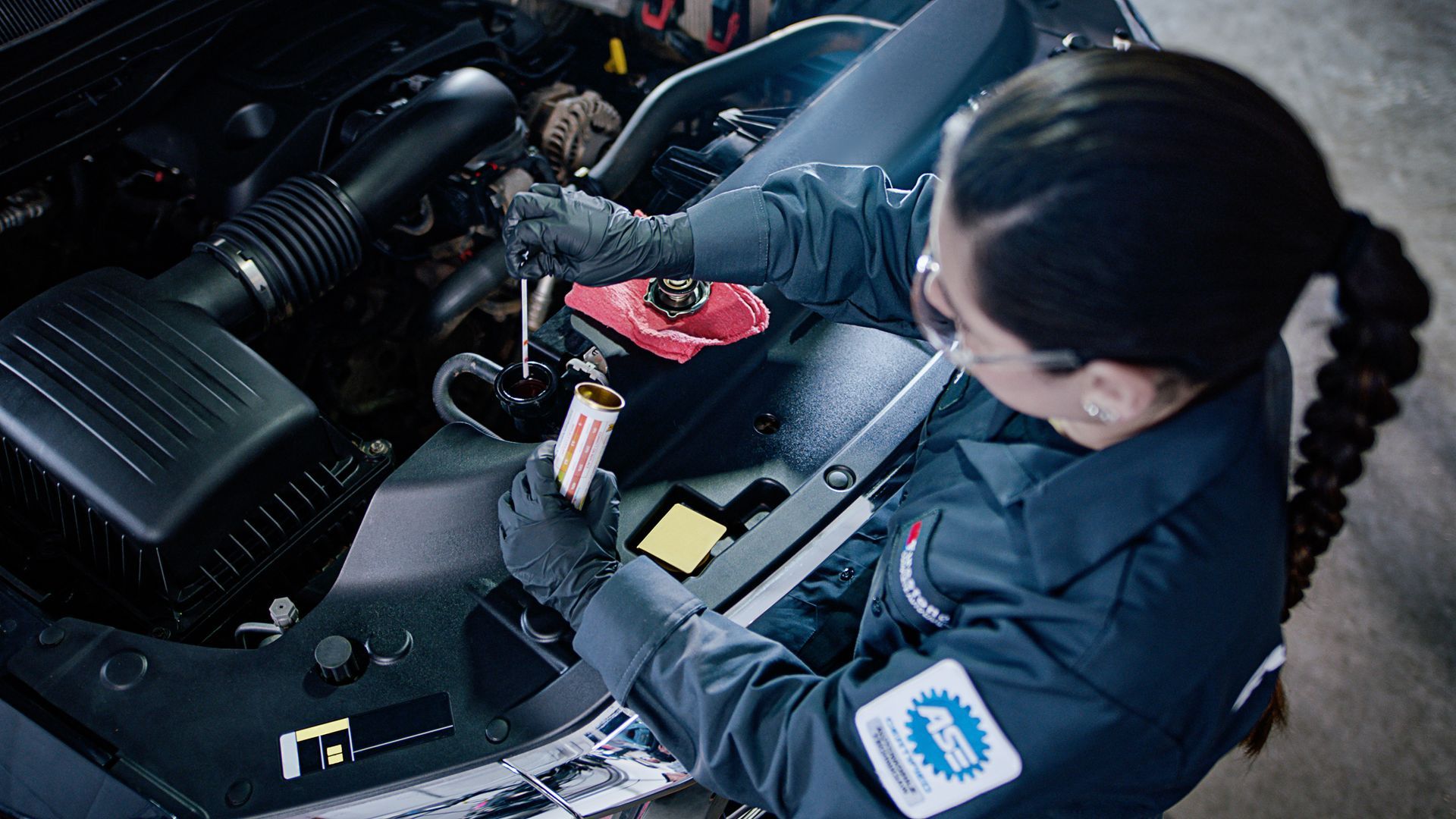
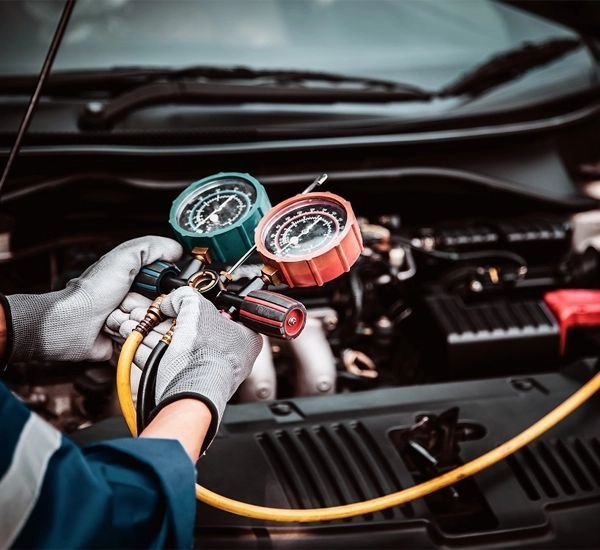
Routine inspections can identify cooling system problems before they become emergencies. A professional cooling system evaluation may include checking coolant condition, inspecting hoses and belts, testing cooling fan operation, examining the radiator, and looking for leaks or signs of wear.
By identifying potential issues early, drivers can improve reliability and reduce the likelihood of overheating during Maryland's hottest months.
Keep Your Vehicle Ready for Maryland Summer Driving at General Service Center
Maryland's combination of heat, humidity, traffic congestion, and summer travel can put significant stress on your vehicle's cooling system. If you've noticed rising engine temperatures, coolant leaks, unusual smells, or any signs of overheating, now is the time to have your vehicle inspected.
The experienced team at General Service Center can help ensure your cooling system is operating properly and ready for the demands of summer driving. From cooling system inspections and coolant services to radiator and water pump repairs, General Service Center is committed to helping drivers stay safe and avoid unexpected breakdowns.
Contact General Service Center today to schedule a cooling system inspection and keep your vehicle running at its best all summer long.