
How to Find a Good Car AC Repair Center
Few things can make a summer drive uncomfortable faster than a vehicle air conditioning system that stops blowing cold air. Whether you're dealing with weak airflow, warm air from the vents, unusual odors, or strange noises when the A/C is running, finding the right repair shop can make all the difference in getting your vehicle comfortable again.
If you're searching for car air conditioner repair, it's important to understand both what makes a quality repair facility and what you can expect during the diagnostic and repair process.
Signs Your Vehicle May Need Air Conditioning Repair
Many drivers assume their AC system is working fine until it completely stops cooling. In reality, there are often warning signs that indicate service may be needed before a larger repair develops.
- Air from the vents is not as cold as it used to be
- Warm air blows from the vents when the AC is on
- Weak airflow through the cabin vents
- Musty or unpleasant odors coming from the ventilation system
- Strange noises when the air conditioner is running
- Fogging issues that affect windshield defrost performance
- Cooling that works intermittently or only while driving
These symptoms can be caused by anything from refrigerant leaks and worn seals to compressor issues, electrical problems, clogged components, or failing sensors. Proper diagnosis is essential because many A/C concerns can produce similar symptoms.
What to Look for in a Local Car Air Conditioner Repair Shop
Experienced Automotive Technicians
Vehicle air conditioning systems are complex and require specialized knowledge. Look for a repair facility that employs experienced technicians who regularly diagnose and repair heating and cooling systems. Modern vehicles often integrate A/C operation with electronic controls and sensors, making accurate diagnosis more important than ever.
Comprehensive Diagnostic Capabilities
A quality repair shop should do more than simply add refrigerant. If refrigerant levels are low, there is often an underlying cause that should be identified and corrected. Shops that perform thorough system inspections can help prevent recurring problems and unnecessary repeat visits.
Modern Equipment
Today's vehicles use sophisticated climate control systems and refrigerants that require specialized service equipment. Choosing a shop with up-to-date diagnostic and recovery equipment helps ensure repairs are completed properly and according to manufacturer specifications.
Clear Communication
Trustworthy repair facilities explain what they found, what repairs are recommended, and why those repairs are necessary. Before authorizing work, you should understand the issue, the proposed solution, and the estimated cost.
Full-Service Automotive Expertise
Sometimes an air conditioning problem is connected to another vehicle system. Electrical issues, cooling system concerns, drive belt problems, or engine-related components can affect A/C performance. A full-service automotive repair facility is often better equipped to diagnose these situations accurately.
What Does the Car AC Repair Process Typically Involve?
Step 1: Initial Inspection
The process typically begins with a discussion about the symptoms you're experiencing. Technicians may ask when the problem started, whether cooling performance has gradually declined, and whether the issue occurs all the time or only under certain driving conditions.
Step 2: System Testing and Diagnosis
Next, technicians inspect key air conditioning components and test system performance. This may include:
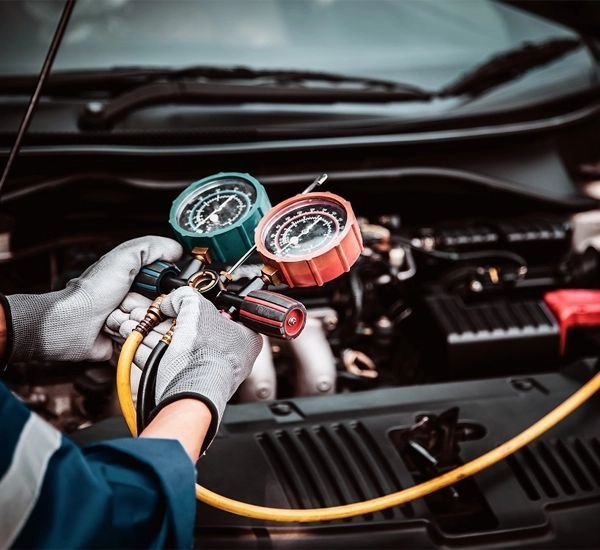
- Checking refrigerant pressures
- Inspecting for leaks
- Evaluating compressor operation
- Testing blower motor performance
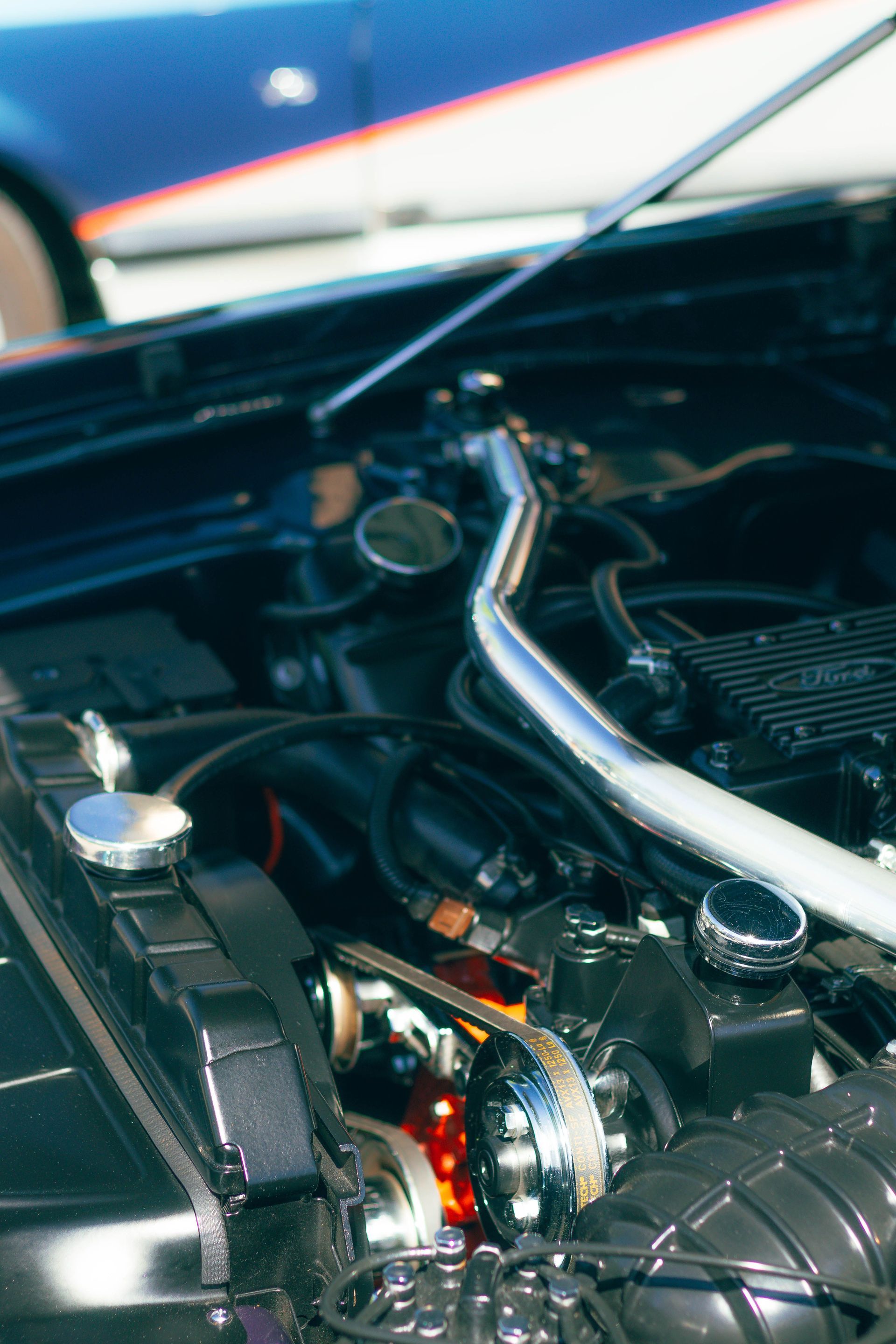
- Inspecting belts, hoses, and connections
- Verifying vent temperatures
- Checking electronic controls and sensors
Comprehensive testing helps identify the root cause rather than simply addressing symptoms.
Step 3: Repair Recommendations
Once the diagnosis is complete, the repair facility will recommend the necessary repairs. Depending on the issue, this could involve repairing a refrigerant leak, replacing a compressor, servicing a condenser, repairing electrical components, or addressing airflow restrictions within the system.
Step 4: System Service and Repair
After approval, technicians perform the required repairs and service procedures. If refrigerant has been lost, the system may need to be evacuated and recharged according to manufacturer specifications after repairs are completed. Proper service procedures help ensure optimal cooling performance and long-term reliability.
Step 5: Final Verification
Before returning the vehicle, technicians typically verify vent temperatures, system pressures, airflow performance, and overall operation to ensure the repair has resolved the issue.
Why Timely Air Conditioner Repairs Are Important
Delaying air conditioning repairs can often lead to more extensive and costly problems. Small refrigerant leaks may worsen over time, compressors can suffer additional damage, and poor system performance can place extra strain on related components.
Addressing concerns early can help maintain comfort, improve system efficiency, and potentially reduce future repair costs.
Schedule Your Car AC Service at General Service Center
If your vehicle's air conditioner isn't keeping you comfortable, don't wait for the problem to get worse. The experienced team at General Service Center can diagnose cooling system issues, identify the source of the problem, and recommend the right repair solution for your vehicle.
Whether your A/C is blowing warm air, producing unusual odors, making strange noises, or simply not cooling like it should, General Service Center is here to help. Contact General Service Center today to schedule an inspection and get back to enjoying a cool, comfortable ride.