
Repairing Your Car's AC in the DMV Area
Common Problems, DIY Fixes, and When to Visit a Professional
When summer temperatures climb across Maryland, Washington, D.C., and Northern Virginia, a working air conditioning system quickly goes from a convenience to a necessity. Sitting in stop-and-go traffic on I-495, commuting through Baltimore, or taking a weekend drive can become uncomfortable if your vehicle's A/C starts blowing warm air or loses performance.
Your car's air conditioning system is more complex than many drivers realize. While some issues are simple enough to inspect at home, others require specialized tools, equipment, and training. Understanding what can go wrong and knowing when to seek professional A/C repair can save time, money, and prevent larger repairs down the road.
How Your Car's Air Conditioning System Works
Modern automotive air conditioning systems rely on several components working together to remove heat from your vehicle's cabin. These include:
- The compressor
- Condenser
- Evaporator
- Expansion valve or orifice tube
- Refrigerant
- Pressure switches and sensors
- Hoses and seals
Rather than creating cold air, the system removes heat from inside the vehicle and releases it outside. If any part of this cycle fails, cooling performance suffers.
Signs Your Car's A/C Needs Repair
Sometimes the warning signs appear gradually. Other times, the system may stop working almost instantly.
Common symptoms include:
Warm Air Instead of Cold Air
This is the most obvious indication that something is wrong. The cause may range from low refrigerant to a failed compressor.
Weak Airflow
If the fan is running but little air comes through the vents, you may have:
- A clogged cabin air filter
- A failing blower motor
- Blocked air ducts
- Problems with the HVAC controls
Strange Noises
Grinding, squealing, or clicking sounds when the A/C is turned on often point to compressor problems or worn bearings.
Bad Odors
Musty smells typically indicate mold or mildew growing on the evaporator. Moisture naturally builds inside the system, especially during humid DMV summers.
Refrigerant Leaks
If cooling performance slowly decreases over weeks or months, a refrigerant leak is often the culprit. Refrigerant does not get "used up" like fuel. If levels are low, the system almost always has a leak that needs to be repaired.
The Most Common Car A/C Problems
Low Refrigerant
Small leaks can develop in hoses, seals, O-rings, or other connections as vehicles age.
Professional repair usually involves:
- Leak detection
- Replacing damaged components
- Vacuum testing the system
- Recharging with the correct refrigerant
Simply adding more refrigerant without repairing the leak usually provides only temporary relief.
Compressor Failure
The compressor is the heart of your A/C system. It circulates refrigerant through the entire system.
Compressor failure can result from:
- Internal wear
- Lack of lubrication
- Electrical issues
- Running the system with low refrigerant
Replacing a compressor often requires flushing the system and replacing additional components to prevent contamination.
Condenser Damage
Located near the radiator, the condenser is exposed to:
- Road debris
- Small rocks
- Salt
- Corrosion
Even minor impacts can damage the delicate cooling fins or create refrigerant leaks.
Electrical Problems
Modern vehicles rely heavily on electronics to operate the A/C system.
Potential issues include:
- Blown fuses
- Failed relays
- Pressure sensors
- Wiring problems
- HVAC control module faults
Proper diagnosis often requires professional scan tools.
Cabin Air Filter Restrictions
One of the simplest causes of poor cooling is a dirty cabin air filter.
A clogged filter can:
- Reduce airflow
- Make the A/C seem less effective
- Increase strain on the blower motor
- Allow unpleasant odors to develop
Replacing the filter is inexpensive and often improves cabin comfort immediately.
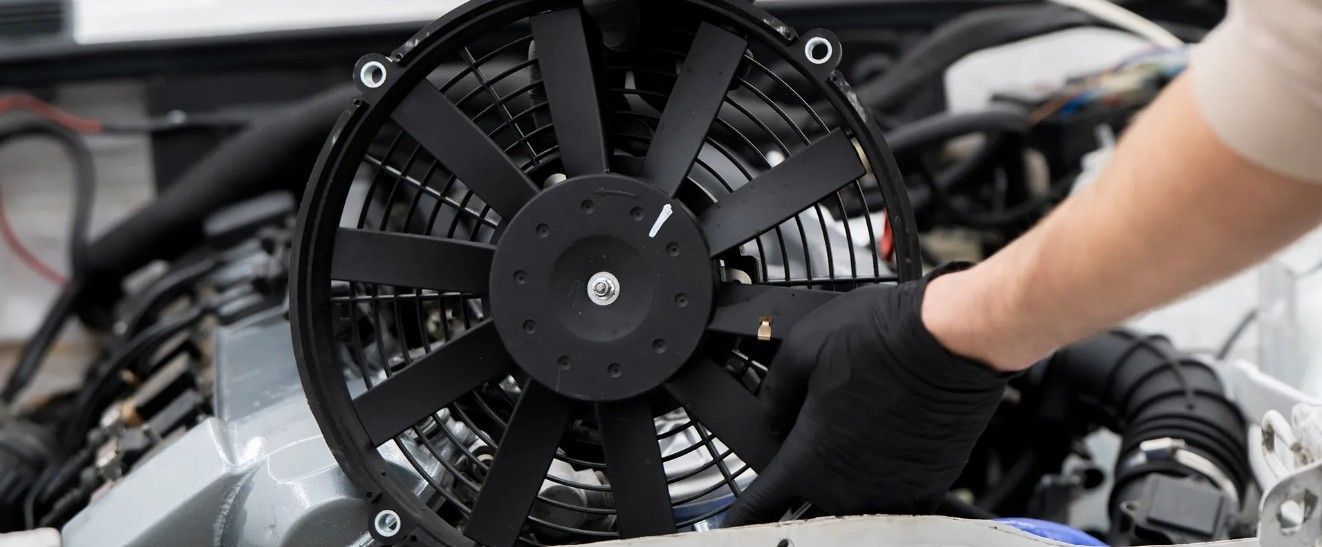
Cooling Fan Problems
Even with plenty of refrigerant, the system may struggle if the cooling fans are not operating correctly.
Faulty fans can cause:
- Warm air while idling
- Better cooling at highway speeds
- Engine overheating
- Higher A/C pressures
Can You Repair Your Car's A/C Yourself?
Some maintenance tasks are well within the abilities of many vehicle owners. You may be able to:
- Replace the cabin air filter
- Check visible fuses
- Remove leaves or debris from the condenser
- Clean air intake vents
- Inspect obvious hose damage
These simple inspections can sometimes solve minor airflow problems.
DIY Refrigerant Recharge Kits: Are They Worth It?
Many auto parts stores sell refrigerant recharge kits, but they come with important limitations. These kits cannot:
- Find leaks
- Measure refrigerant accurately
- Remove moisture from the system
- Diagnose compressor problems
- Verify proper operating pressures
Overcharging an A/C system can be just as damaging as running it low on refrigerant. In addition, many newer vehicles require very specific refrigerant types and precise charge amounts.
Because refrigerant is stored under pressure and must be handled correctly, professional service is generally the safest and most effective option.
When Professional A/C Repair Is the Better Choice
Professional diagnosis becomes especially important if:
- The A/C suddenly stops working
- Refrigerant repeatedly runs low
- The compressor makes unusual noises
- Electrical warning lights appear
- The system cycles on and off rapidly
- Cooling remains inconsistent after adding refrigerant
Professional repair shops use specialized equipment that can:
- Recover refrigerant safely
- Detect even tiny leaks
- Perform vacuum testing
- Measure system pressures
- Check electronic controls
- Recharge the system to factory specifications
This allows technicians to identify the root cause rather than simply treating the symptom.
Why DMV Driving Can Be Hard on Your Air Conditioning
Drivers throughout Maryland, Washington, D.C., and Northern Virginia place unique demands on their vehicles. Long periods of idling in traffic mean:
- Higher under-hood temperatures
- Increased compressor workload
- Less airflow through the condenser
- Greater stress on cooling fans
Combined with humid summers, these conditions force your air conditioning system to work harder than it would in many other parts of the country.
Routine inspections before the hottest months can help identify developing issues before they leave you without cool air during a heat wave.
Preventing Future A/C Problems
While no system lasts forever, a few habits can help extend its life. Consider these tips:
- Run your A/C for a few minutes every couple of weeks, even during winter.
- Replace your cabin air filter according to your vehicle manufacturer's recommendations.
- Keep leaves and debris away from the condenser.
- Address weak cooling before it becomes complete failure.
- Have refrigerant leaks repaired promptly instead of repeatedly topping off the system.
Regular maintenance helps keep seals lubricated and allows technicians to catch small problems before they become expensive repairs.
Trust General Service Center for Car A/C Repair in the DMV
Whether your vehicle is blowing warm air, making unusual noises, or simply isn't keeping up with the summer heat, accurate diagnosis is the key to lasting repairs. While replacing a cabin air filter or checking a fuse can often be handled at home, refrigerant leaks, compressor issues, and electrical problems usually require professional equipment and expertise.
At General Service Center, our experienced technicians provide comprehensive automotive A/C diagnostics and repairs for drivers throughout Maryland and the greater DMV area. From leak detection and refrigerant service to compressor replacement and complete climate control repairs, we work to restore reliable cooling so you can drive comfortably no matter how hot it gets.
If your vehicle's air conditioning isn't performing the way it should,
schedule an appointment with General Service Center today and let our team help you stay cool on every drive.