
Is Your Car Overheating?
6 Critical Signs Your Radiator Is About to Fail
Your vehicle’s engine generates a massive amount of heat during normal operation—enough to quickly destroy the metal components keeping it alive. The unsung hero preventing this catastrophic meltdown is your vehicle's cooling system, at the heart of which sits the radiator.
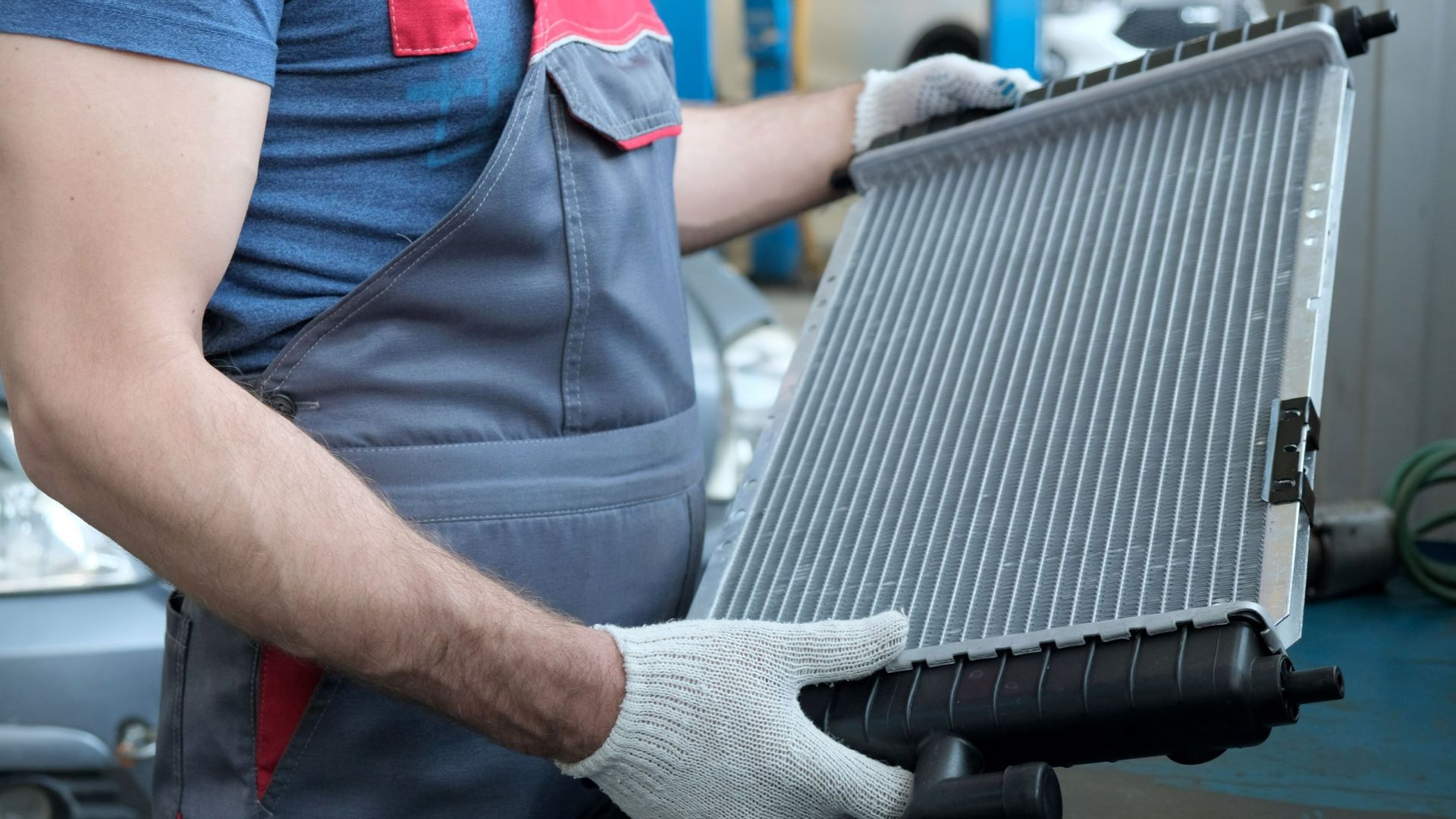
A radiator is a specialized heat exchanger located at the front of your vehicle. It functions by taking in scalding hot coolant (antifreeze) pumped from the engine, passing it through a matrix of ultra-thin metal tubes, and letting incoming airflow dissipate the heat before cycling the cooled fluid back into the engine block.
Because radiators are constantly subjected to extreme temperature swings, high pressure, and environmental debris, they eventually wear out. Knowing the symptoms of a failing radiator can mean the difference between a simple maintenance fix and a multi-thousand-dollar engine replacement.
Below are the six most common signs that your radiator is about to fail, along with expert tips on how to troubleshoot the system.
1. The Engine Frequently Overheats
The most obvious indicator that your radiator is struggling is a rising temperature gauge on your dashboard or a sudden cloud of steam rolling out from under your hood.
An overheating engine can be caused by various internal radiator faults, such as restricted fluid flow due to a clog or a catastrophic loss of pressure. However, because the cooling system is interconnected, a failing thermostat can also cause these exact symptoms. If the thermostat becomes defective and fails to open, it locks the coolant inside the engine block, completely bypassing the radiator and triggering a breakdown.
2. Visibly Leaking Coolant under Your Vehicle
If you walk out to your driveway and notice a puddle of bright red, yellow, green, or pink fluid pooled beneath the front bumper, your cooling system is losing its lifeblood.
When your radiator leaks, the total volume of fluid drops too low. Without enough liquid volume to absorb and transfer heat away from the cylinders, your engine will rapidly spike in temperature.
Modern radiators are constructed from a combination of stamped metal and molded plastic tanks. Over time, the plastic portions naturally become brittle, dry-out, and crack due to the relentless thermal stress of everyday driving. This structural degradation is a leading cause of sudden coolant loss.
3. Discolored, Sludgy Coolant
Healthy engine coolant should look like a translucent, brightly colored fluid. If you pop your hood, check the transparent coolant overflow reservoir, and notice that the liquid looks thick, dark, or rusty, you have a major issue.
As a radiator deteriorates internally, metallic deposits, rust scales, and external contaminants break down and intermingle with the liquid. This turns the anti-freeze into a thick, muddy sludge. This contaminated mixture can no longer flow freely through the micro-tubes of the radiator core, ultimately causing a severe internal clog that blocks heat dissipation entirely.
4. Transmission Shifting Issues
Many modern vehicles utilize an automatic transmission cooler that is integrated directly inside the main radiator assembly.
If internal cracks form within the internal barriers separating the transmission fluid chamber from the engine coolant chamber, the two fluids will cross-contaminate. This structural failure allows engine coolant to mix with your transmission fluid, destroying its hydraulic properties. If your transmission begins slipping, hesitating, or shifting harshly, it could ironically be caused by a failing radiator assembly ruining your gearbox.
5. Bent, Broken, or Blocked Exterior Fins
To cool down liquid efficiently, radiators rely on maximum, unobstructed airflow. The front face of a radiator consists of a dense network of thin, fragile metallic fins wrapped around the fluid tubes.
Over thousands of miles of highway driving, these fins can easily become clogged by compressed road grime, dead leaves, bugs, and dirt. If airflow is blocked, the radiator cannot reject heat into the air, and the coolant stays hot.
Furthermore, because these fins are incredibly delicate, high-pressure road debris or improper washing with an aggressive power washer can easily bend or crush them flat. Flattened fins act like a solid wall, choking off airflow and causing immediate cooling inefficiencies.
6. The Passenger Cabin Heater Fails to Blow Hot Air
It surprises many drivers to learn that their cabin heating system is directly powered by the engine’s cooling system.
Your cabin heater relies on a miniature version of a radiator called a heater core. Hot coolant is routed away from the engine, through the heater core, and a blower fan pushes that warmth into your interior. If your main radiator is suffering from a massive fluid leak or is blocked with thick, rusty sludge, the hot fluid will never make it to the interior cabin. If you crank your dial to full heat on a freezing day and get nothing but lukewarm or cold air, it is a key indicator of a wider cooling system failure.
Technical Diagnoses: How to Narrow Down the Problem
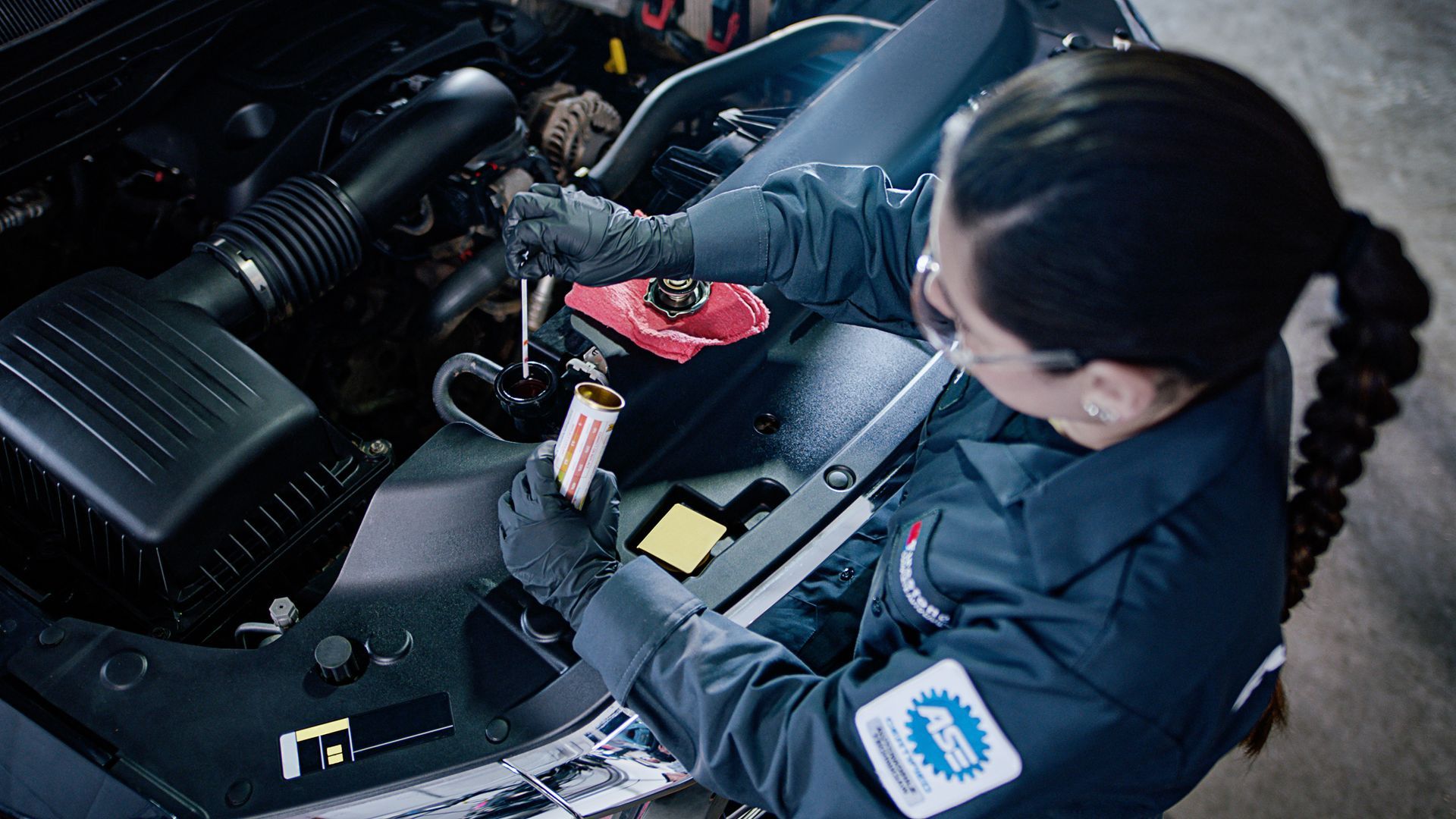
Because a failing water pump, a stuck thermostat, or a blown head gasket can mimic bad radiator symptoms, professional mechanics utilize a series of checks to isolate the true failure:
- Thermostat Test: Technicians use an infrared temperature gun to read the temperatures of both the upper and lower radiator hoses once the engine reaches operating temperature. If one hose remains freezing cold while the other is burning hot, the thermostat is stuck closed.
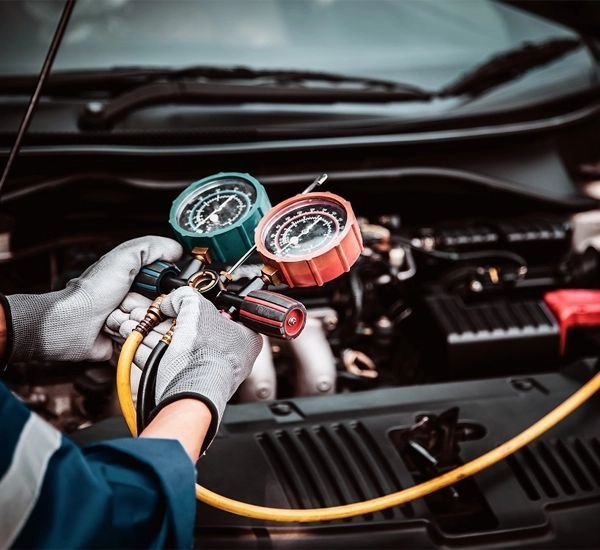
- Pressure Test: A cooling system pressure tester is attached directly to the radiator neck. Mechanics pump air into the system to match the maximum PSI rating stamped on the radiator cap. If the pressure drops on the gauge, it reveals a hidden structural crack or a defective pressure cap that is allowing fluid to boil.
- Block Test: If a radiator issue is left ignored for too long, the intense heat often warps the engine block, destroying the head gasket. A block test kit analyzes the air inside the radiator neck for the presence of exhaust combustion gases, which confirms severe internal engine damage.
Don't Risk an Engine Meltdown. Schedule Service Today!
Driving even a few miles with a failing radiator can lead to catastrophic consequences. Severe overheating can warp your engine cylinders, crack the cylinder head, blow your head gasket, and completely destroy your vehicle's powerplant. What could have been a straightforward radiator replacement can quickly turn into an incredibly expensive engine swap.
If you have spotted any of these warning signs, from a puddle of bright green fluid on your driveway to a sudden drop-off in your cabin heater's performance, it is time to act.
Don't wait for your dashboard to start smoking on the highway. Bring your vehicle into the certified experts at
General Service Center. Our professional automotive technicians have the advanced diagnostic equipment, pressure testers, and specialized experience needed to accurately pinpoint your cooling issues, flush out performance-robbing sludge, or install a premium replacement radiator.
Contact General Service Center today to schedule your comprehensive cooling system inspection and keep your engine running cool!