
Uneven Tire Wear is More Than a Tire Problem
Uneven Tire Wear Might Be an Alignment or Suspension Issue.
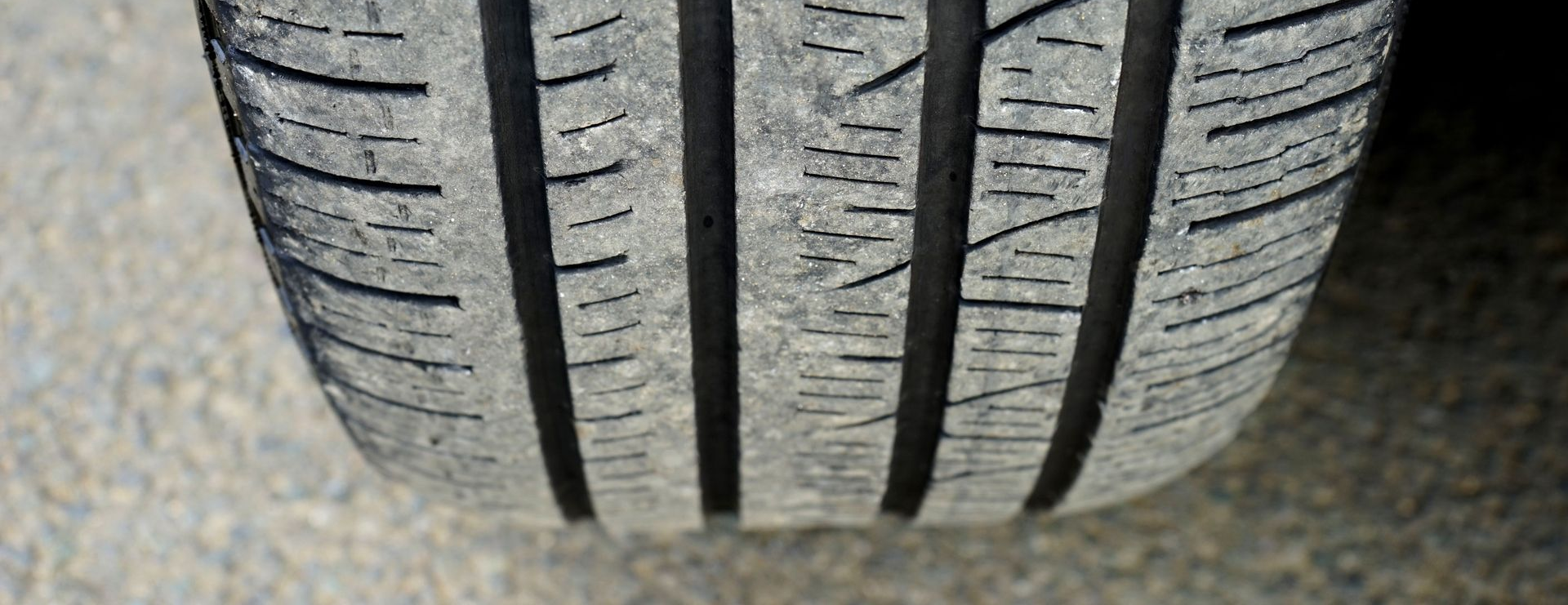
When you notice your tires wearing down unevenly, it's easy to assume the tires themselves are the problem. In reality, uneven tire wear is often a symptom of something happening underneath your vehicle. Worn suspension components, improper wheel alignment, or damage from a pothole or curb strike can all cause your tires to wear prematurely.
At General Service Center, we help drivers throughout the DMV area identify the root cause of uneven tire wear. Our experienced technicians inspect your vehicle's alignment, suspension, and steering systems to ensure your tires wear evenly and your vehicle handles the way it was designed.
What Does Uneven Tire Wear Look Like?
Your tires should wear evenly across the entire tread surface. If one area of the tire is wearing much faster than another, your vehicle is trying to tell you something.
Some common patterns include:
- Inside edge wear: Often caused by excessive negative camber or worn suspension parts.
- Outside edge wear: May indicate poor alignment, aggressive cornering, or improper camber settings.
- Wear on both outer edges: Frequently the result of underinflated tires.
- Center tread wear: Commonly caused by overinflation.
- Cupping or scalloping: Usually points to worn shocks, struts, or other suspension components.
- Feathering: Often indicates incorrect toe alignment.
While tire pressure certainly plays an important role, alignment and suspension issues are among the most common reasons tires wear unevenly.
How Wheel Alignment Affects Tire Wear
Your vehicle's alignment refers to the precise angles at which the wheels meet the road. Manufacturers engineer these angles to maximize tire life, handling, and vehicle stability. When alignment is out of specification, your tires no longer roll straight. Instead, they scrub across the pavement as you drive, gradually wearing away rubber much faster than normal.
Alignment problems can develop from:
- Driving over potholes
- Striking curbs
- Minor or major collisions
- Road debris impacts
- Normal suspension wear over time
Maryland roads experience changing weather, freeze-thaw cycles, and heavy traffic that can create potholes and rough pavement. Even a single hard impact can knock your alignment out of specification.
Suspension Problems Can Wear Out Tires Quickly
Your suspension keeps your tires firmly planted on the road while absorbing bumps and maintaining vehicle control. When components begin to wear or become damaged, the tires may bounce, shift, or change angles while driving.
Components that commonly contribute to uneven tire wear include:
- Shocks and struts
- Control arms
- Ball joints
- Tie rod ends
- Bushings
- Wheel bearings
Many of these components gradually wear over time, making it difficult for drivers to notice a problem until tire wear becomes obvious.
Steering Components Matter Too
Your steering system works together with the suspension and alignment to keep your vehicle tracking straight. Worn steering components can allow excessive movement in the front wheels, creating uneven tire wear and reducing handling precision.
If you've noticed your steering wheel feels loose, your vehicle wanders on the highway, or you constantly need to correct your steering, it's worth having the system inspected.
Signs Your Vehicle May Need an Alignment Inspection
In addition to uneven tire wear, watch for these warning signs:
- Your steering wheel is no longer centered.
- The vehicle pulls to one side.
- The steering feels loose or unstable.
- You notice vibrations while driving.
- The vehicle feels less stable during braking.
- You hear clunking noises over bumps.
If you're experiencing one or more of these issues, having your suspension and alignment checked sooner rather than later can prevent additional damage.
Why Early Repairs Save Money
Replacing a set of tires can be expensive. If the underlying alignment or suspension problem isn't corrected first, your new tires may wear out just as quickly as the old ones.
Addressing the root cause helps:
- Extend tire life.
- Improve vehicle handling.
- Restore proper braking performance.
- Increase fuel efficiency.
- Improve overall driving safety.
Fixing the underlying issue early often costs far less than replacing multiple sets of prematurely worn tires.
Routine Inspections Help Prevent Bigger Repairs
Having your alignment and suspension inspected during routine maintenance is one of the best ways to catch small problems before they become expensive ones. During regular service visits, technicians can identify worn components, recommend adjustments, and help ensure your tires wear evenly throughout their lifespan.
If you've recently hit a large pothole, noticed unusual handling, or purchased new tires, it's also an excellent time to have your alignment checked.
Trust General Service Center for Alignment and Suspension Service
At General Service Center, our technicians provide comprehensive inspections of your tires, suspension, steering, and alignment systems. We don't just replace worn parts—we identify the underlying cause so your vehicle performs safely and your tires last as long as they should.
Whether your vehicle needs a wheel alignment, suspension repair, steering service, or a complete inspection, we're here to help keep you safely on the road.
Schedule Your Alignment Inspection Today
If your tires are wearing unevenly, don't assume they're simply worn out. Uneven tread is often your vehicle's first warning that something else needs attention.
Contact General Service Center today to schedule an alignment and suspension inspection. Our experienced team will diagnose the problem, explain your options, and help keep your vehicle driving safely and efficiently throughout Maryland and the greater DMV area.